

How To Unlock Your Multi-Channel Organic Traffic Goldmine
A content amplification strategy via multi-channel organic traffic, maximizes the reach and ROI of existing content by using a mix of paid, earned, and owned media to distribute it to a broader, targeted audience. Instead of merely publishing, this strategy involves actively promoting content through social media, email newsletters and influencer partnerships.
Key Takeaways: Unlock Your Multi-Channel Organic Traffic Goldmine
- Diversifying traffic sources across multiple channels creates resilience against algorithm changes and market shifts
- The synergy between different traffic channels can multiply results, with each channel reinforcing others in your marketing ecosystem
- Search-only traffic strategies leave businesses vulnerable to Google updates and increased competition
- TrafficScale’s multi-channel organic traffic tools help businesses identify their highest-potential traffic opportunities
- Properly implemented cross-channel content strategies can reduce content creation costs while maximizing reach
If you’re still relying on a single traffic channel to grow your business, you’re sitting on an untapped goldmine of visitors, leads, and sales. The most successful businesses today aren’t just dominating one traffic source—they’re orchestrating a symphony of multiple channels that work together to create unstoppable growth.
The Hidden Multi-Channel Traffic Opportunity Most Businesses Miss
Most businesses focus intensely on one primary traffic channel. They pour resources into Google SEO, Facebook ads, or email marketing while neglecting the exponential benefits of a coordinated multi-channel approach. This tunnel vision creates massive blind spots and leaves significant traffic opportunities completely untapped.
The truth is, your potential customers don’t live in just one digital neighborhood. They bounce between search engines, social media platforms, email, video content, and countless other online spaces throughout their day. By limiting yourself to a single channel, you’re only catching them in one of these moments, missing countless opportunities to connect.
A TrafficScale analysis of over 1,000 growing businesses found that companies using three or more coordinated traffic channels grew 3.8× faster than their single-channel competitors. The key isn’t just being present on multiple platforms, but creating an interconnected ecosystem where each channel strengthens the others.
When implemented correctly, a multi-channel traffic strategy doesn’t just add more visitors—it creates a multiplier effect where the whole becomes greater than the sum of its parts.
“The most resilient businesses we work with don’t just diversify traffic sources—they create strategic connections between channels that amplify results across their entire marketing ecosystem.” — Marketing Director, TrafficScale
Why Single-Channel Dependency Kills Growth
Relying on a single traffic source is the digital equivalent of putting all your eggs in one basket. When algorithm changes, platform policy updates, or competitive disruptions inevitably occur, businesses with single-channel dependency face devastating consequences. We’ve seen countless companies lose 50-80% of their traffic overnight from a single Google update or social media algorithm change.
- Vulnerability to algorithm changes and platform updates
- Limited audience reach (missing potential customers who prefer other channels)
- Reduced frequency of touchpoints with your target audience
- Slower growth due to channel saturation and increasing competition
- Higher customer acquisition costs as single-channel competition intensifies
Beyond the obvious risk factors, single-channel dependency creates another dangerous business condition: complacency. When you’re only measuring success within the metrics of one platform, you develop blind spots to innovations and opportunities elsewhere in the digital ecosystem.
The True Cost of Search-Only Traffic Strategies
- Extreme vulnerability to Google algorithm updates (affecting both rankings and traffic)
- Rising competition and keyword difficulty in almost every industry
- Increased time to results as content saturation grows
- Missing top-of-funnel awareness opportunities better suited to other channels
- Difficulty establishing brand differentiation in crowded search results
Search engine optimization remains a critical component of any digital marketing strategy, but the landscape has dramatically changed. Google now handles over 8.5 billion searches per day, but the competition for those searches has never been more intense. Top rankings now require more resources, more time, and more expertise—with increasingly unpredictable results. For insights on improving organic traffic, check out these strategies to increase organic traffic.
Even more concerning, businesses that rely exclusively on search are missing the powerful brand-building benefits of other channels. While search traffic captures existing demand, other channels like social media and video marketing create new demand by introducing your solutions to people who weren’t actively searching for them yet.
The most successful businesses today use search as one essential gear in a larger traffic machine, not as their sole growth engine.
Multi-Channel Success By The Numbers
The data supporting multi-channel traffic strategies is overwhelming. According to research from TrafficScale’s analysis of over 500 growing businesses, companies with integrated multi-channel approaches experience: 287% higher customer retention rates, 3.4× greater revenue growth, 72% improvement in brand recognition, and 43% lower customer acquisition costs compared to single-channel businesses. These aren’t incremental improvements—they represent transformative business advantages that compound over time as each channel reinforces the others.

Map Your Complete Traffic Ecosystem
Before diving into specific channel tactics, you need to visualize your complete traffic ecosystem. Think of your digital presence as an interconnected network rather than isolated platforms. At the center sits your website or primary conversion destination. Around it orbit various traffic channels, each with distinct audience characteristics and engagement patterns.
The most effective traffic ecosystems don’t just accumulate visitors—they strategically move people between channels in ways that deepen engagement and build relationships. Your YouTube viewer becomes an email subscriber, who later engages with your social content, ultimately returning through search when they’re ready to purchase.
The 7 Core Traffic Channels Every Business Should Use
While your specific channel mix will vary based on your industry, audience, and resources, seven foundational traffic channels form the backbone of most successful digital marketing strategies: Organic search (SEO), Social media (organic and paid), Email marketing, Video marketing (YouTube and platform-native video), Content partnerships and guest publishing, Podcasting and audio content, and Community engagement (forums, groups, Q&A sites). Each channel has distinct advantages and plays different roles in the customer journey. The key isn’t implementing all seven simultaneously, but strategically selecting and connecting the channels most relevant to your specific audience and business model.
Traffic Channel Synergy: How They Work Together
The real power of multi-channel traffic comes from strategic integration. When properly aligned, each channel amplifies the effectiveness of the others. Content created for your blog feeds your social media and email campaigns. Social engagement builds your email list. Email nurtures relationships that drive search behavior. This virtuous cycle creates compound growth impossible to achieve with isolated channel strategies.
The most successful multi-channel strategies don’t treat each platform as a separate silo, but rather as interconnected parts of a holistic system. Content, messaging, and audience insights flow between channels, creating a cohesive experience for your audience regardless of where they encounter your brand.
Identify Your Current Traffic Gaps
Most businesses have significant blind spots in their traffic strategy. These gaps represent massive untapped potential for growth, but first you need to identify them. Conduct a thorough traffic audit examining both quantity (visitor numbers) and quality (engagement and conversion metrics) across all potential channels.
Look beyond the obvious metrics to identify specific gaps in your customer journey. Are you successfully attracting top-of-funnel awareness but struggling with middle-funnel consideration content? Do you have strong initial traffic but poor return visitor rates? Each gap represents a strategic opportunity to deploy the right channel for the right purpose.
Search Engine Traffic Mastery
While diversification is crucial, search engine traffic remains the foundation of most successful digital marketing strategies. The key difference in a multi-channel approach is how search integrates with other channels rather than operating in isolation. Modern search mastery focuses on capturing traffic throughout the entire customer journey, not just transaction-ready keywords.
Beyond Keywords: Search Intent Optimization
Today’s SEO requires deep understanding of search intent—the “why” behind each query. Google’s algorithms have become increasingly sophisticated at determining whether a searcher wants information, navigation to a specific site, to make a purchase, or to compare options. Your content must align precisely with the dominant intent behind each target keyword.
Content Clusters That Dominate Search Results
Single, isolated articles rarely perform well in today’s search landscape. Instead, organize your content into strategic topic clusters—comprehensive collections of interlinked content centered around core pillar pages. This structure signals topical authority to search engines while providing multiple entry points for visitors at different stages of awareness.
Each cluster should include a comprehensive pillar page (3,000+ words) supported by numerous related subtopic articles (1,000-1,500 words each). Internal linking between these pages creates a content ecosystem that keeps visitors engaged longer while strengthening your site’s relevance for your target topics.
Technical SEO Quick Wins
Even the best content won’t perform without solid technical foundations. Focus on these high-impact technical optimizations: improve site speed (aim for under 2.5 second load times), implement proper schema markup for enhanced search results, ensure mobile optimization across all pages, fix crawlability issues that might prevent indexing, and optimize internal linking to distribute page authority effectively.
While comprehensive technical SEO requires ongoing attention, these five focus areas deliver the fastest returns for most websites. The key is regular auditing—at least quarterly—to identify and address new technical issues before they impact your traffic.
Local SEO Strategies That Drive Targeted Traffic
For businesses serving specific geographic areas, local SEO represents one of the highest-converting traffic opportunities available. Beyond the basics of Google Business Profile optimization, successful local strategies now require a multi-faceted approach: consistent NAP (Name, Address, Phone) information across all online directories, location-specific content that demonstrates local expertise, strategic local link building from community organizations and chambers of commerce, and review generation systems that consistently produce fresh customer feedback.
The local search landscape has become increasingly competitive, but it remains one of the few areas where smaller businesses can outperform national competitors by leveraging their community connections and local knowledge.
Social Media Traffic Amplification
Social media’s role in a multi-channel strategy extends far beyond brand awareness. When properly integrated with your other channels, social platforms become powerful traffic drivers that send highly engaged visitors to your website. The key is understanding each platform’s unique content preferences, audience behaviors, and algorithmic tendencies.
Rather than spreading yourself thin across every platform, identify the 2-3 networks where your ideal audience is most active and engaged. Then develop platform-specific strategies that align with both user expectations and your broader traffic goals.
Platform-Specific Content Strategies
Each social platform has distinct content preferences that directly impact traffic potential. LinkedIn favors thought leadership content that positions your brand as an industry authority. Instagram and Pinterest excel at visual discovery—ideal for products and aspirational content. Twitter drives traffic through timely, concise commentary and resource sharing. Facebook groups build community around shared interests or challenges.
The most common mistake is repurposing identical content across all platforms without adaptation. Instead, maintain consistent messaging while tailoring format, tone, and presentation to each platform’s unique environment. This approach maximizes engagement while still maintaining cohesive brand positioning.
Community Building vs. Content Broadcasting
Broadcasting content without engagement is the fastest way to diminish your social traffic potential. Today’s algorithms heavily favor accounts that generate meaningful interaction, not just publish content. Successful social traffic strategies balance content distribution with authentic community building.
Dedicate at least 30% of your social media time to engaging with followers, participating in industry conversations, and building relationships with potential amplifiers. This engagement-focused approach not only improves algorithmic reach but also creates the trust necessary for followers to click through to your website.
Social Proof Elements That Drive Clicks
Strategic use of social proof dramatically increases click-through rates from social platforms to your website. Incorporate testimonials, case study highlights, results snapshots, and user-generated content directly into your social posts. These elements provide the evidence and reassurance followers need before investing their time in visiting your site.
The most effective social proof focuses on specific, tangible outcomes rather than generic praise. Share the 42% conversion increase a client experienced, not just that they were “very happy” with your service. This specificity builds credibility while simultaneously generating curiosity about how similar results might be achieved.
Email Traffic Generation Tactics
Email remains the highest-converting traffic channel for most businesses, yet many fail to leverage its full potential. The most successful email strategies focus on delivering genuine value in every communication rather than constant promotion. This value-first approach builds anticipation for each email, resulting in higher open rates, click-through rates, and website engagement.
The key metrics to track aren’t just list size, but engaged subscribers—those consistently opening and clicking. A responsive list of 1,000 engaged subscribers will generate more valuable traffic than 10,000 unengaged contacts. Quality trumps quantity in email marketing.
List Building Strategies That Actually Work
Generic “subscribe to our newsletter” calls-to-action no longer perform in today’s crowded inbox environment. Effective list building requires specific, high-value lead magnets aligned with your audience’s immediate needs. Develop targeted resources for different segments of your audience—each addressing a specific pain point or desired outcome. Then place these offers strategically throughout your content and other traffic channels.
Email Sequences That Drive Repeat Website Visits
“The most valuable email subscriber isn’t the one who converts once, but the one who develops a habit of returning to your content ecosystem regularly.” — Email Strategy Director, TrafficScale
Automated email sequences create predictable traffic patterns while nurturing deeper relationships with your audience. Welcome sequences introduce new subscribers to your best resources. Engagement sequences maintain regular touchpoints with valuable content. Re-engagement sequences reactivate dormant subscribers who haven’t visited recently.
The most effective sequences don’t just deliver information—they tell a cohesive story over time while strategically guiding subscribers back to key pages on your website. Each email should have a clear purpose within the larger journey you’re creating.
Design your sequences with specific behavioral triggers that adapt based on subscriber actions. Someone who clicks links about a specific topic should receive follow-up content on that same subject, creating relevance that dramatically increases future click-through rates.
Newsletter Optimization For Maximum Clickthrough
Regular newsletters remain a cornerstone of email traffic generation, but their format and structure significantly impact performance. The most effective newsletters follow a consistent, recognizable template while varying content to maintain interest. Include multiple content types—articles, resources, insights, and occasional promotions—to appeal to different subscriber preferences.
Rather than overwhelming subscribers with excessive options, focus each newsletter on 1-3 primary calls-to-action. These primary CTAs should receive prominent placement and visual emphasis, while secondary links can appear in supporting sections. This hierarchy improves click-through rates by reducing decision fatigue.
Test different delivery frequencies and times to identify the optimal schedule for your specific audience. Many businesses default to weekly newsletters without testing whether bi-weekly, monthly, or even daily formats might generate better engagement. The right frequency depends entirely on your content quality and audience preferences.
Video Marketing Traffic Secrets
Video has transformed from a supplemental content format to an essential traffic channel in its own right. The key to video marketing success isn’t just creating engaging content, but strategically optimizing it to capture search traffic within video platforms and drive viewers back to your website.
YouTube SEO For Maximum Visibility
YouTube operates as the second largest search engine in the world, with its own distinct ranking factors and audience behaviors. Successful YouTube SEO begins with comprehensive keyword research specifically for video content. Look for topics with high search volume where video results currently appear in Google, suggesting strong video intent.
Your video titles, descriptions, and tags should align precisely with your target keywords while maintaining natural, compelling language that encourages clicks. The first 2-3 sentences of your description are particularly critical as they appear in search results and influence click-through rates.
Beyond basic optimization, viewer engagement metrics heavily influence YouTube rankings. Videos that maintain high audience retention, generate comments, and receive likes significantly outperform those with weak engagement signals. Design your content specifically to encourage these interactions.
- Open with a strong hook that promises clear value (first 15 seconds)
- Include pattern interrupts every 60-90 seconds to maintain attention
- Ask specific questions to generate comments
- Create natural timestamp moments for increased engagement
- Include clear website CTAs both verbally and visually
The most successful YouTube strategies focus on series-based content rather than isolated videos. Playlists and recurring segments build subscriber loyalty while creating multiple entry points to your content ecosystem.
Short-Form Video Distribution Strategy
While YouTube dominates long-form video, platforms like TikTok, Instagram Reels, and YouTube Shorts have created entirely new traffic opportunities through short-form content. These platforms use algorithmic distribution that can deliver massive reach without requiring an existing audience. For more insights, explore multi-channel content amplification strategies that can enhance your organic traffic.
| Platform | Optimal Length | Content Focus | Traffic Strategy |
|---|---|---|---|
| TikTok | 15-60 seconds | Trends, challenges, quick tips | Bio link + verbal CTAs |
| Instagram Reels | 15-30 seconds | Polished, visually appealing content | Stories + profile links |
| YouTube Shorts | 30-60 seconds | Educational teasers, quick solutions | Channel subscription + longer content |
The key to short-form video success is maintaining a high publishing frequency while testing different content approaches. Most successful creators publish at least 3-5 short-form videos weekly, using platform analytics to quickly identify which topics and formats resonate with their audience.
While these platforms restrict direct linking, they excel at building audience awareness and relationships that can be directed to your longer content or other channels. Focus on compelling hooks, easily digestible value, and clear next steps for viewers who want to learn more.
Video Content Repurposing For Multiple Platforms
Strategic video repurposing allows you to leverage a single content asset across multiple traffic channels. A single 15-minute YouTube video can be transformed into multiple short-form clips for TikTok and Instagram, audiograms for podcast platforms, transcribed blog posts, quote graphics for social media, and email newsletter content—each driving traffic from different sources back to your primary content hub.
The most efficient approach is planning for this repurposing before creating your primary video. Consider shooting additional b-roll, capturing multiple angles, and structuring content with clear segments that can stand alone when extracted. This pre-planned approach dramatically reduces the time and resources required for effective multi-platform distribution.
Content Repurposing Framework
One of the biggest myths in multi-channel marketing is that you need to create unique content for each platform. The truth is that strategic repurposing can multiply your content’s reach while dramatically reducing production costs. The key is understanding how to adapt core ideas for different formats and audience expectations without simply duplicating the same content everywhere.
Content repurposing isn’t just copying and pasting—it’s reimagining your valuable insights for different consumption contexts. When done effectively, your audience on each platform experiences content perfectly tailored to their environment, even though it stems from the same foundational material.
Let’s explore a proven five-step framework that transforms single pieces of content into multi-channel traffic engines.
1. Identify Your Cornerstone Content
Start by identifying your most valuable, comprehensive content pieces. These cornerstone assets typically contain multiple insights, data points, and actionable recommendations that can stand independently. Ideal cornerstone pieces include in-depth blog posts (2000+ words), comprehensive videos (10+ minutes), detailed podcasts, research reports, or webinar recordings.
The best cornerstone content answers fundamental questions in your industry or solves significant problems for your audience. These robust pieces provide the raw material for dozens of derivative content formats across all your traffic channels.
2. Create Channel-Specific Versions
Once you’ve identified cornerstone content, map out channel-specific adaptations that align with each platform’s unique environment. This isn’t simply reformatting—it’s strategic translation that preserves core value while optimizing for platform-specific consumption habits. Extract key statistics for Twitter. Create instructional carousels for LinkedIn. Develop step-by-step tutorials for YouTube. Transform insights into visual infographics for Pinterest.
Each adaptation should maintain your core message while presenting it in the native language of the platform. The goal is for content to feel naturally at home in each environment, not awkwardly transplanted from elsewhere.
3. Tailor Content To Platform Algorithms
Beyond format considerations, each platform’s algorithm favors specific content characteristics that can dramatically impact visibility. Optimize your repurposed content for these algorithmic preferences: LinkedIn rewards long-form thought leadership that generates comments. Instagram prioritizes visually striking content that drives saves and shares. Twitter amplifies content that generates rapid initial engagement. YouTube favors videos that maintain high audience retention.
Study platform trend reports and creator guidelines to understand current algorithmic priorities. These signals frequently change, requiring ongoing adaptation of your repurposing approach.
4. Cross-Promote Across Channels
Strategic cross-promotion creates pathways for audience members to discover your presence on other platforms. Each piece of repurposed content should include thoughtful references to related content on your other channels. Your YouTube video mentions your in-depth guide available on your website. Your LinkedIn post references your podcast episode exploring the topic further. Your email newsletter highlights your most popular social content.
These cross-references shouldn’t feel promotional—they should genuinely enhance the audience experience by offering different perspectives or more comprehensive information on topics they’ve already expressed interest in.
5. Track Performance And Refine
The final step in effective repurposing is rigorous performance tracking across all channels. Identify which content themes, formats, and promotional approaches generate the strongest engagement on each platform. Look for patterns in the types of repurposed content that most effectively drive traffic back to your primary conversion destinations.
Use these insights to continuously refine your repurposing strategy. Double down on high-performing content types while experimenting with new approaches for platforms where engagement lags. The most successful repurposing frameworks evolve constantly based on performance data.
Traffic Cross-Pollination Strategy
Beyond creating presence on multiple channels, true multi-channel mastery involves strategic cross-pollination—intentionally moving audience members between platforms in ways that deepen engagement and build stronger relationships. This approach transforms separate audience segments into a cohesive community that engages with your brand across multiple touchpoints.
Move Followers Between Platforms
Each traffic channel attracts people with different consumption preferences and engagement patterns. The goal of cross-pollination is moving followers from their initial point of discovery to the platforms where you can build deeper relationships. Social followers become email subscribers. Email subscribers become podcast listeners. Podcast listeners become website visitors. Each movement strengthens the relationship while creating multiple connection points that increase overall retention.
The key is providing clear, compelling reasons for this movement rather than simply promoting your other channels. Offer exclusive content, enhanced experiences, or valuable resources that genuinely reward followers for connecting on another platform.
Create Multi-Channel Content Journeys
The most sophisticated traffic strategies guide audience members through intentionally designed multi-channel journeys. Instead of isolated content experiences, create connected pathways that move people logically between platforms based on their increasing interest and engagement. A social post introduces a concept. A blog post explores it comprehensively. A video demonstrates implementation. An email sequence provides ongoing support. Each step builds upon the previous interaction while moving the relationship forward.
Use Social Proof From One Channel On Another
Social proof from one channel can dramatically increase conversion rates on another. Testimonials from your Facebook community can enhance email click-through rates. Subscriber counts from your email list build credibility on your YouTube channel. Positive comments from YouTube viewers strengthen landing page conversion rates.
Strategically featuring social proof across channels creates a powerful multiplier effect. New audience members immediately sense they’re joining an active, engaged community rather than taking an isolated risk on unknown content.
Multi-Channel Analytics That Matter
“Without integrated analytics, multi-channel marketing becomes a collection of disconnected activities rather than a cohesive strategy. The businesses seeing the greatest traffic growth are those measuring how channels interact, not just how they perform individually.” — Analytics Director, TrafficScale
The complexity of multi-channel marketing requires more sophisticated measurement approaches than single-channel strategies. Beyond platform-specific metrics, you need systems for understanding how channels interact and influence each other. This holistic view reveals opportunities and optimizations impossible to identify when analyzing channels in isolation.
Most businesses track too many vanity metrics while missing the critical indicators of multi-channel success. Focus your analytics on three core areas: attribution (which channels influence conversions), audience movement (how people travel between channels), and content performance (which topics and formats resonate across platforms).
Integrated dashboards that combine data from multiple sources provide the most actionable insights. While platform-native analytics offer valuable channel-specific data, they fail to capture the complete picture of your traffic ecosystem.
Attribution Models For Accurate Traffic Source Analysis
Attribution modeling determines how conversion credit is distributed across multiple touchpoints in the customer journey. The model you choose dramatically impacts how you perceive channel value and allocate resources. Last-touch attribution (giving all credit to the final touchpoint before conversion) significantly undervalues awareness channels like social media and overvalues conversion channels like email and search. First-touch attribution (crediting the initial discovery source) does the opposite. Multi-touch models like linear (equal credit across all touchpoints) or position-based (emphasizing first and last interactions) provide more balanced views of channel contributions.
Channel-Specific KPIs To Track
While integrated measurement is essential, each channel still requires specific KPIs that reflect its unique role in your traffic ecosystem. Search channels should optimize for targeted organic traffic, engagement metrics (bounce rate, time on page), and conversion rates from organic visitors. Social platforms focus on audience growth, engagement rate (especially shares and saves), and click-through rate to your website.
Email marketing prioritizes list growth, open rates, click-through rates, and subscriber retention. Video platforms track view duration, subscriber growth, and click-through rates to other channels. These channel-specific metrics should be monitored alongside cross-channel KPIs to provide a complete performance picture.
The most valuable insights often emerge from correlations between metrics across different channels. For example, identifying how Instagram engagement trends influence email open rates, or how YouTube subscriber growth impacts website conversion rates. These relationship patterns reveal the true dynamics of your traffic ecosystem.
- Search: Organic traffic, position tracking, click-through rate, page depth
- Social: Follower growth, engagement rate, amplification rate, click-through rate
- Email: List growth, open rate, click rate, list health metrics
- Video: Subscriber growth, view duration, engagement rate, traffic referrals
- Cross-Channel: Attribution paths, multi-touch conversion rate, channel interaction metrics
Tools To Simplify Multi-Channel Reporting
The right analytics tools transform data collection from a burdensome task to an automated insight engine. For comprehensive multi-channel analysis, you’ll need tools spanning three categories: traffic analytics platforms (like Google Analytics 4), channel-specific analytics tools (native platform dashboards), and integration tools that combine data from multiple sources (data visualization platforms).
Google Analytics 4 provides a solid foundation for traffic analysis with its improved cross-channel tracking capabilities. However, its insights should be supplemented with platform-specific analytics for deeper channel performance understanding. Tools like Hootsuite Impact, Sprout Social, or Buffer Analyze provide more nuanced social media metrics than GA4 alone.
For true multi-channel insights, consider investing in data integration platforms like Databox, Klipfolio, or Google Data Studio. These tools allow you to create custom dashboards that visualize relationships between channels and highlight cross-platform trends that would otherwise remain hidden in isolated data sets.
Your 30-Day Multi-Channel Traffic Action Plan
Transforming your approach from single-channel dependency to multi-channel mastery doesn’t happen overnight, but significant progress can be made in just 30 days with a focused, systematic approach. The key is implementing changes in a strategic sequence that builds momentum while preventing overwhelm.
This 30-day plan is designed to systematically audit your current traffic sources, identify your highest-potential opportunities, create optimized content for multiple channels, and establish measurement systems for ongoing refinement. By the end of this process, you’ll have a functioning multi-channel ecosystem generating more diverse, resilient traffic than your previous approach.
Remember that multi-channel success doesn’t require mastering all platforms simultaneously. Start with the 2-3 channels most relevant to your audience and business model, then expand methodically as each channel stabilizes. Depth of strategy in a few channels consistently outperforms shallow implementation across many platforms.
Week 1: Assessment And Strategy
Days 1-3: Conduct a comprehensive traffic audit identifying all current sources, performance metrics, and audience demographics for each channel. Look for patterns in which content topics and formats generate the strongest engagement across platforms. Identify obvious gaps where potential audience segments aren’t being reached through your current channel mix.
Days 4-7: Develop your multi-channel strategy document outlining primary traffic channels, content themes, cross-promotion approaches, and specific goals for each platform. This document should include audience personas for each channel, primary content formats, publishing frequency targets, and clear success metrics. Share this strategy with all team members involved in content creation and distribution to ensure alignment.
Week 2: Content Creation And Optimization
Days 8-10: Create cornerstone content for your primary traffic channel. This should be comprehensive, high-value material that can be repurposed across multiple platforms. Depending on your strategy, this might be an in-depth blog post, long-form video, research report, or detailed guide addressing a core audience need.
Days 11-14: Develop channel-specific adaptations of your cornerstone content. Transform your primary content into optimized formats for each of your target platforms. Focus on preserving core value while adapting presentation, length, and style to match platform expectations. Create custom graphics, excerpts, and promotional assets for each channel variant.
Week 3: Distribution And Cross-Promotion
Days 15-21: Execute your multi-channel distribution plan, publishing optimized content across all target platforms with strategic timing. Implement cross-promotion tactics that guide audience members between channels. Actively engage with responses on each platform, using conversation to deepen relationships and address questions. Monitor initial performance metrics to identify which variations generate the strongest engagement.
Week 4: Analysis And Refinement
Days 22-27: Analyze performance data across all channels, identifying patterns in engagement, traffic generation, and audience response. Look specifically for insights about which topics, formats, and promotional approaches drive the strongest results for each platform. Document these learnings to inform your next content cycle.
Days 28-30: Refine your multi-channel strategy based on first-month learnings. Adjust content formats, publishing cadence, cross-promotion tactics, and channel priorities based on performance data. Develop your content calendar for the coming month, incorporating these refinements and expanding on successful approaches.
FAQ’s About Unlocking Your Multi-Channel Organic Traffic Goldmine
As businesses implement multi-channel traffic strategies, several common questions consistently arise. Here are practical answers to the most frequently asked questions about diversifying and optimizing your traffic sources.
How long does it take to see results from multi-channel traffic strategies?
Initial results typically appear within 30-60 days, with significant improvements emerging after 90-120 days of consistent implementation. The timeline varies by channel: social media often shows engagement improvements within weeks, while search traffic changes may take months to materialize. Email marketing typically delivers the quickest traffic returns, often within the first 2-3 campaigns.
The key factor affecting timeline is implementation quality rather than time alone. Businesses that develop truly differentiated content, optimize specifically for each platform, and implement strategic cross-promotion see results much faster than those taking a generic, inconsistent approach. Focus on excellence in execution rather than arbitrary timelines.
Which traffic channel typically delivers the highest conversion rates?
Email consistently delivers the highest conversion rates among traffic channels, with rates 3-5× higher than social media and 2× higher than organic search for most businesses. This superior performance stems from the permission-based nature of email—subscribers have actively chosen to hear from you, creating higher intent and trust compared to other channels. However, email’s higher conversion potential must be balanced against its limited reach compared to discovery-oriented channels like search and social.
How many channels should I focus on if I have limited resources?
With limited resources, focus on mastering three channels: your website/blog (content hub), one discovery channel (search or social), and one relationship channel (typically email). This minimal viable ecosystem provides sufficient diversity while allowing the depth necessary for meaningful results. Expand beyond these core three only when you’ve established consistent, successful processes for content creation, distribution, and measurement across your initial channels.
Do I need different content for each traffic channel?
You need optimized adaptations rather than completely different content for each channel. The core message and value can remain consistent while presentation format, length, style, and promotional approach should be customized for each platform’s unique environment. This balanced approach—maintaining message consistency while adapting format—maximizes efficiency while respecting platform differences.
How do I know which channels are worth investing in for my specific business?
Determine channel value through audience research, competitive analysis, and small-scale testing. Start by identifying where your ideal customers spend their digital time—which platforms they use frequently and trust for information in your industry. Then analyze where your successful competitors are generating engagement (not just where they’re present). Finally, implement small test campaigns on promising channels to validate potential before significant investment.
The most valuable channels aren’t necessarily the largest or most popular platforms, but rather those where your specific audience is most engaged and receptive to your type of content. A niche industry forum or specialized social platform may deliver more qualified traffic than broader channels with larger but less targeted audiences.
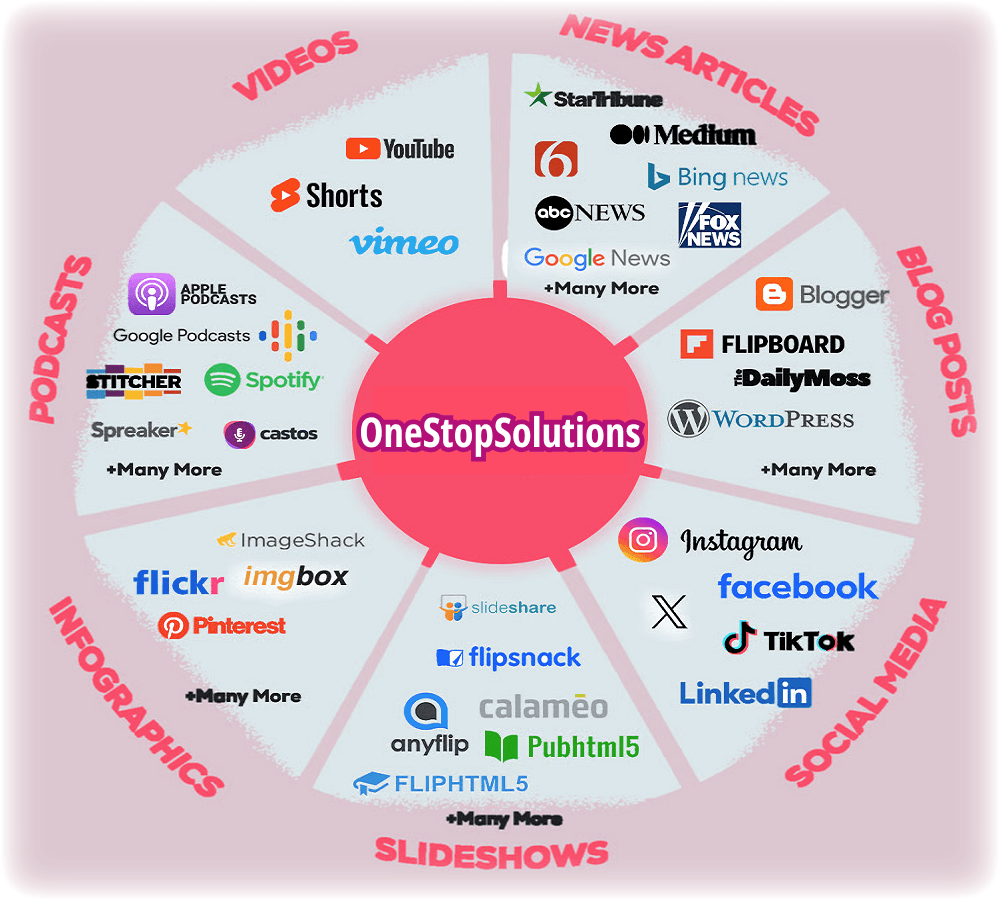
Stop guessing with your multi-channel traffic strategy. It’s time to build an integrated system that turns scattered efforts into a predictable traffic goldmine.
Let us build your custom multi-channel organic engine today at OneStopSolutions.